In this auspicious occasion, we are delighted to delve into the intriguing topic related to The Next Leap Year: 2025. Let’s weave interesting information and offer fresh perspectives to the readers.


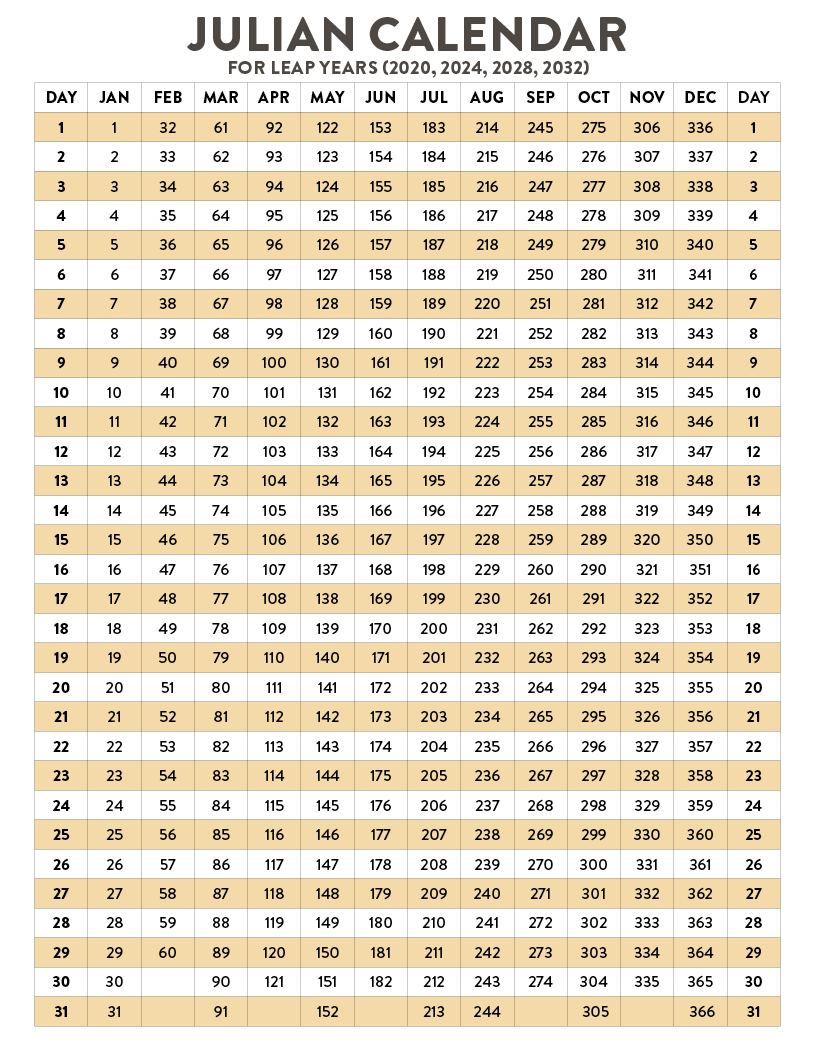
A leap year is a year that is one day longer than a regular year. This extra day is added to the month of February, which normally has 28 days. In a leap year, February has 29 days.
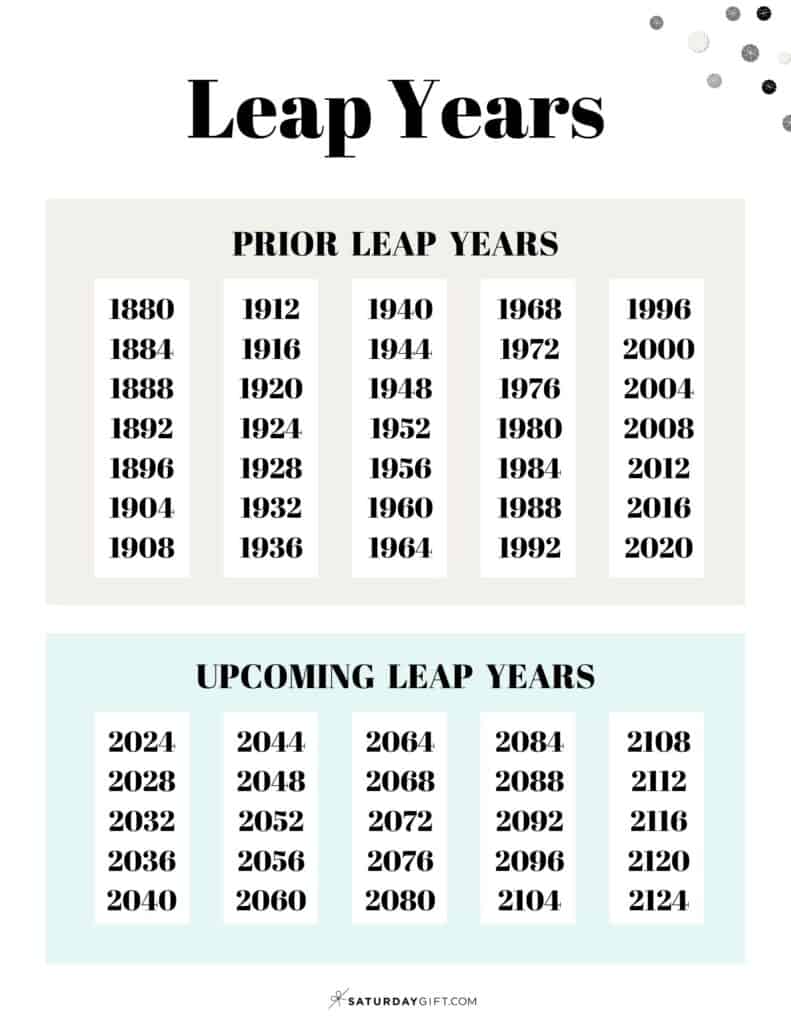
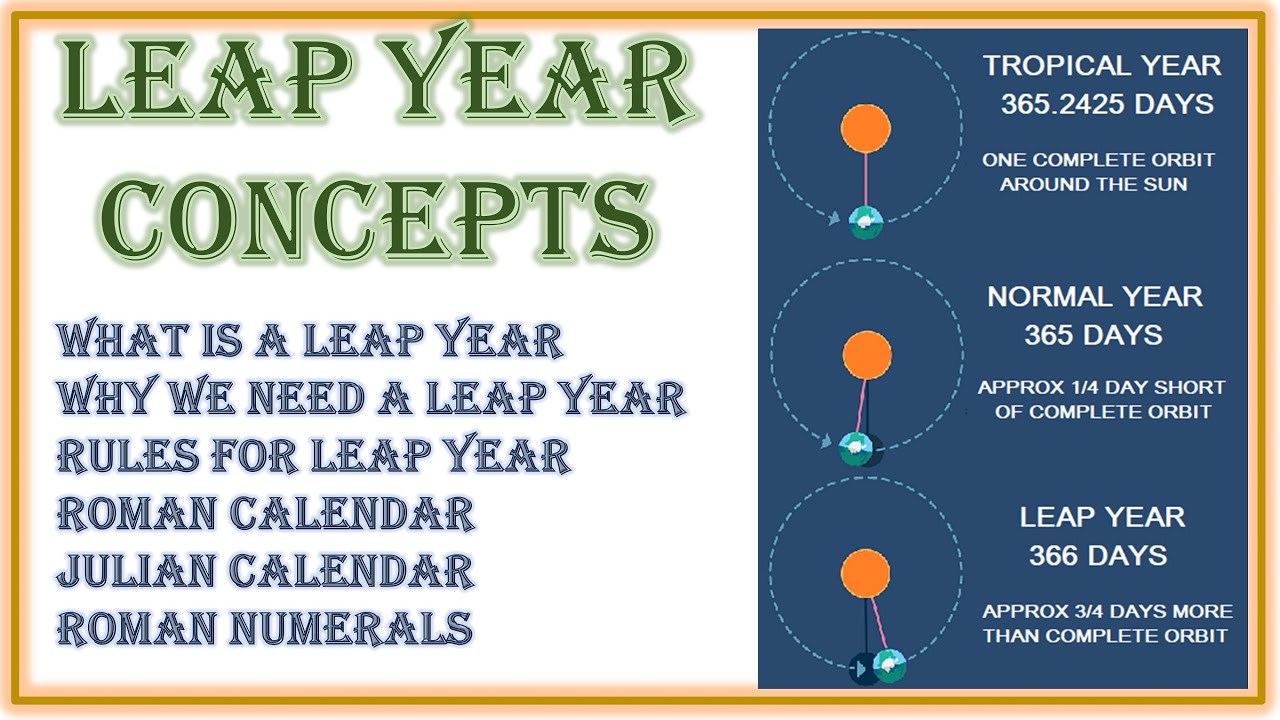
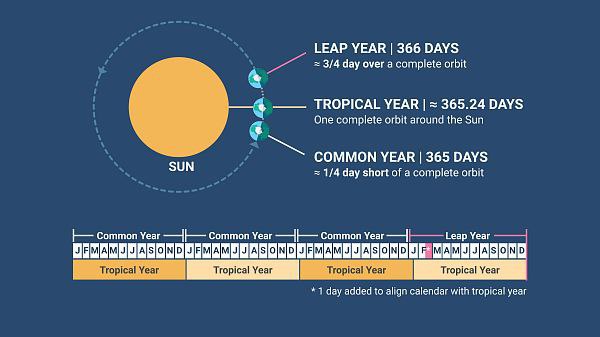
The extra day in a leap year is added to keep the calendar in sync with the Earth’s orbit around the sun. The Earth takes 365.242 days to orbit the sun. This means that every four years, the calendar falls behind by about one day. The extra day in a leap year makes up for this difference.

The next leap year will be 2025. It will be the 47th leap year since the Gregorian calendar was adopted in 1582.
We have leap years to keep the calendar in sync with the Earth’s orbit around the sun. Without leap years, the calendar would gradually fall behind, and the seasons would eventually get out of sync.
For example, if we did not have leap years, the winter solstice would occur on December 21st in 1582. By 2025, the winter solstice would occur on December 20th. This is because the Earth takes 365.242 days to orbit the sun, and the calendar falls behind by about one day every four years.
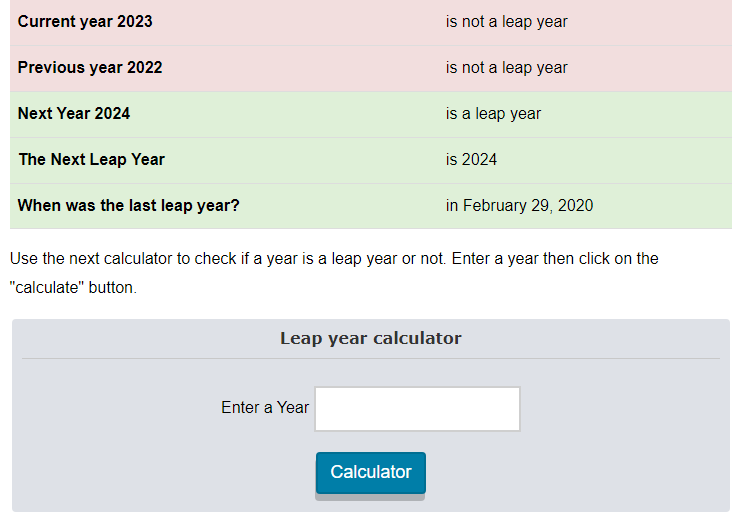
For example, the year 2000 was a leap year because it was divisible by 4. The year 1900 was not a leap year because it was divisible by 100 but not by 400.
The next leap year will be 2025. It will be the 47th leap year since the Gregorian calendar was adopted in 1582.
Leap years are an important part of the calendar. They help to keep the calendar in sync with the Earth’s orbit around the sun. Without leap years, the seasons would eventually get out of sync.

Thus, we hope this article has provided valuable insights into The Next Leap Year: 2025. We thank you for taking the time to read this article. See you in our next article!